A Future Extension
Ground today.
Air tomorrow.
Autonomous road mobility is our core focus and immediate priority. Advanced Air Mobility — electric vertical take-off and landing (eVTOL) aircraft — represents a potential long-term extension of the same infrastructure, not a substitute for it.
Road first — by design
Autonomous Mobility UK is building the deployment and infrastructure layer for autonomous passenger transport on Britain’s roads. That is where the technology, regulation and commercial opportunity are maturing first, and where our work is focused today.
Because well-located mobility hubs are long-life infrastructure assets, a small number of sites could, in time, be designed to also support Advanced Air Mobility. This keeps future options open without diverting from the immediate priority of ground autonomy.
Ground — Today
Autonomous electric road vehicles, mobility hubs and local-to-regional networks. Our active focus.
Air — Tomorrow
A potential future extension using adaptable infrastructure, subject to aviation regulation and viability.
What eVTOL Looks Like
A new generation of electric aircraft
Electric vertical take-off and landing aircraft are being developed by a number of manufacturers worldwide. They take off and land like a helicopter but fly on fixed wings, using multiple electric rotors for quiet, zero-emission flight.
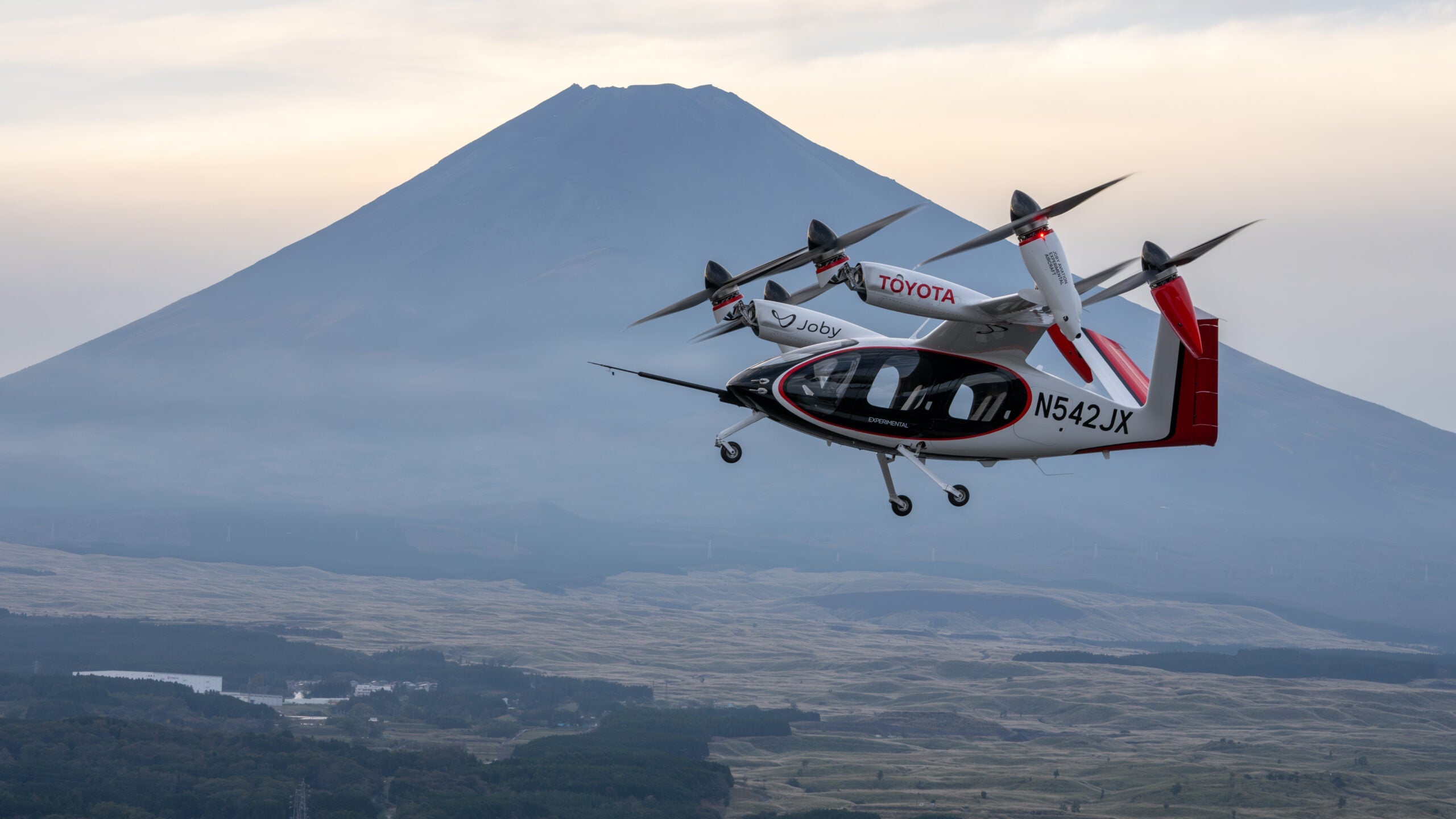

Illustrative images of third-party eVTOL aircraft, shown to explain the technology only. Autonomous Mobility UK is technology-neutral and is not affiliated with, endorsed by or partnered with any aircraft manufacturer or operator. Manufacturer names and liveries shown are the property of their respective owners.
Potential Future Use Case
Brighton ↔ Gatwick
An illustration of how adaptable mobility infrastructure could, in the long term, connect a coastal city with a major international gateway.
Brighton & Hove
Coastal city hub
Gatwick Gateway
International airport
Concept study only — no service, aircraft operator or location has been confirmed. Any future service would be subject to CAA certification, airspace approval, planning consent, local authority engagement and commercial viability.
A Separate Regulatory World
Advanced Air Mobility is regulated separately from road
Aviation is governed by its own framework, entirely distinct from road vehicle and passenger service regulation. Any future air mobility activity would require satisfying each of the following in full.
Aircraft Certification
eVTOL aircraft must be certified as airworthy by the Civil Aviation Authority (CAA) before any passenger operation.
Vertiport Regulation
Take-off and landing sites (vertiports) require their own design standards, safety cases and approvals.
Airspace Integration
New air routes must be safely integrated into existing UK airspace and air traffic management.
Operator Approval
Air operators require separate authorisation, distinct from any road passenger-service permissions.
Planning & Local Consent
Sites require planning permission and local authority engagement, with community and environmental considerations.
Commercial Viability
Any future service must demonstrate genuine demand and a sustainable commercial model.
Advanced Air Mobility is a concept under development and a potential future extension only. Autonomous Mobility UK is technology-neutral and is not tied to any aircraft manufacturer or operator.
Building for today, designing for tomorrow
Our priority is autonomous road mobility. If you are interested in how adaptable infrastructure could support future transport technologies, we would be glad to talk.
Talk to AMUK