Understanding the Opportunity
Autonomous Mobility
An introduction to autonomous passenger services, their potential benefits, and what purpose-built autonomous vehicles could mean for transport in the United Kingdom.
What is an autonomous passenger service?
An autonomous passenger service uses self-driving vehicles to transport passengers between locations without a human driver. Passengers request a journey through a mobile application, and an autonomous vehicle is dispatched to collect them and deliver them to their destination.
Unlike conventional taxis and private-hire vehicles, autonomous services could operate without driver salary costs, potentially run around the clock, use fully electric vehicles by default, and dispatch vehicles based on real-time demand data rather than driver availability.
Subject to regulatory approval, these services could offer lower-cost, higher-availability point-to-point transport in suitable locations across the UK.
Potential benefits
Autonomous passenger services could offer a range of advantages over conventional transport models.
Lower operating costs
Removing the driver salary component could significantly reduce the per-journey cost of passenger transport.
Extended operating hours
Autonomous fleets could potentially operate around the clock, improving late-night and early-morning mobility.
Electric fleets
Purpose-built autonomous vehicles are designed as electric by default, supporting cleaner urban air quality.
Data-led dispatch
Intelligent systems could match vehicle availability to real-time demand, reducing empty running and wait times.
Reduced driver dependency
Autonomous operation could help address driver recruitment challenges facing the private-hire sector.
Lower-cost travel
Operating efficiencies could be passed on to passengers through more affordable point-to-point travel.
Better late-night mobility
Autonomous services could improve safe travel options during hours when public transport and taxis are less available.
Station connectivity
First-and-last-mile autonomous services could improve connections between rail stations, bus hubs and final destinations.
Why two-seat autonomous vehicles?
A significant proportion of urban journeys involve just one or two passengers. Purpose-built two-seat autonomous vehicles are optimised for these trips: compact, efficient, and designed to move through urban environments with a smaller footprint than conventional cars.
This does not mean two-seat vehicles are suitable for every journey. They are not designed for larger groups, family travel with luggage, or passengers requiring wheelchair-accessible vehicles. A mature autonomous mobility network would likely include multiple vehicle types to serve different passenger needs.
Two-seat vehicles represent a practical starting point for initial fleet deployments — addressing the largest segment of urban passenger demand while keeping fleet costs manageable.
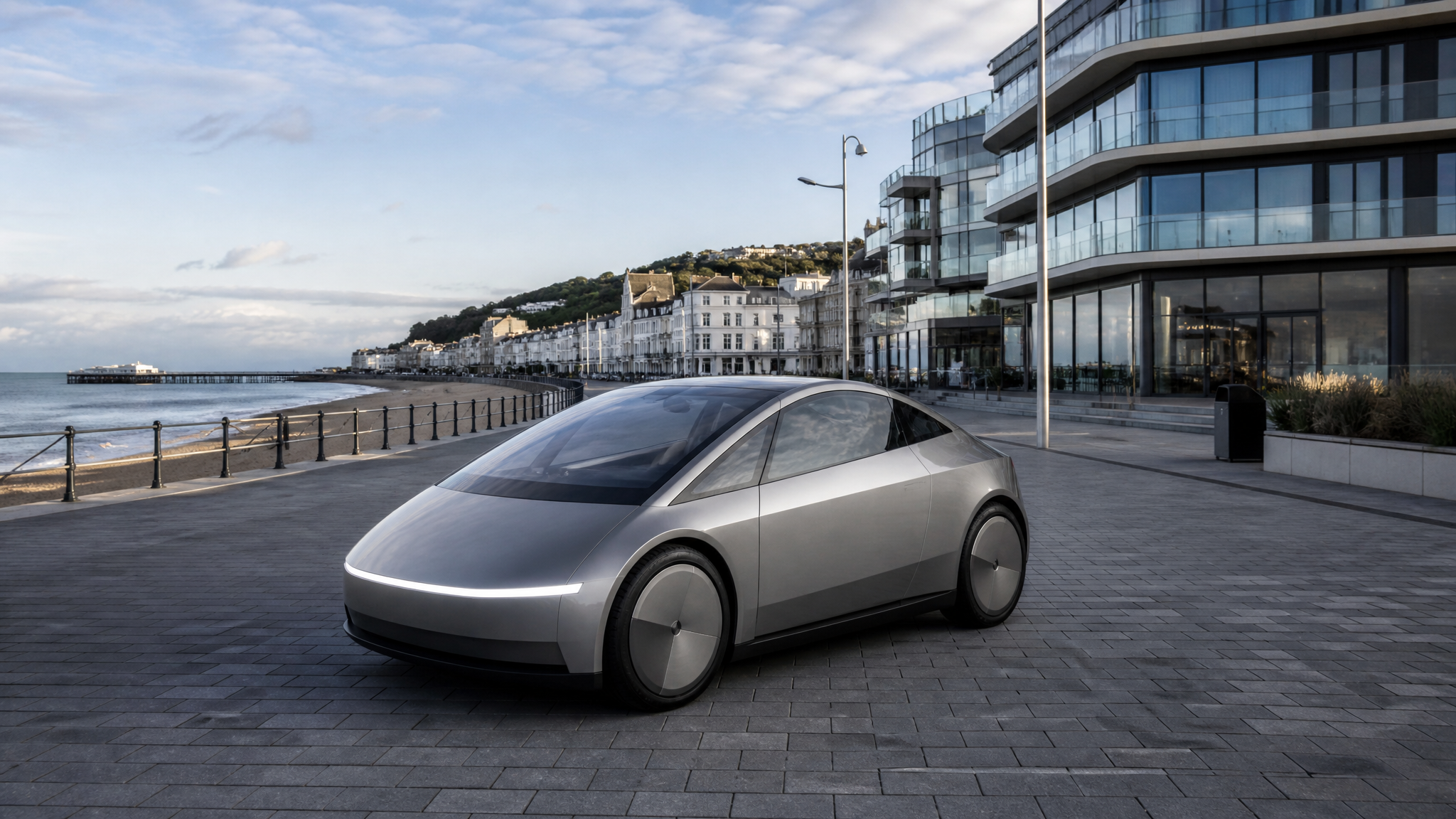
Tesla Cybercab as an example
Vehicles such as Tesla Cybercab demonstrate how this next generation of mobility may evolve: compact, electric, purpose-built and designed around autonomous operation. As approved autonomous vehicles become available, they could form part of future fleet deployments, subject to regulatory approval and commercial viability.
Purpose-Built Autonomy
Purpose-built autonomous vehicles could change the economics of urban mobility
Vehicles such as Tesla Cybercab represent a different proposition from adapting conventional passenger cars for autonomous operation.
Compact, electric and designed around autonomous operation, purpose-built vehicles could materially change the capital and operating economics of point-to-point passenger transport.
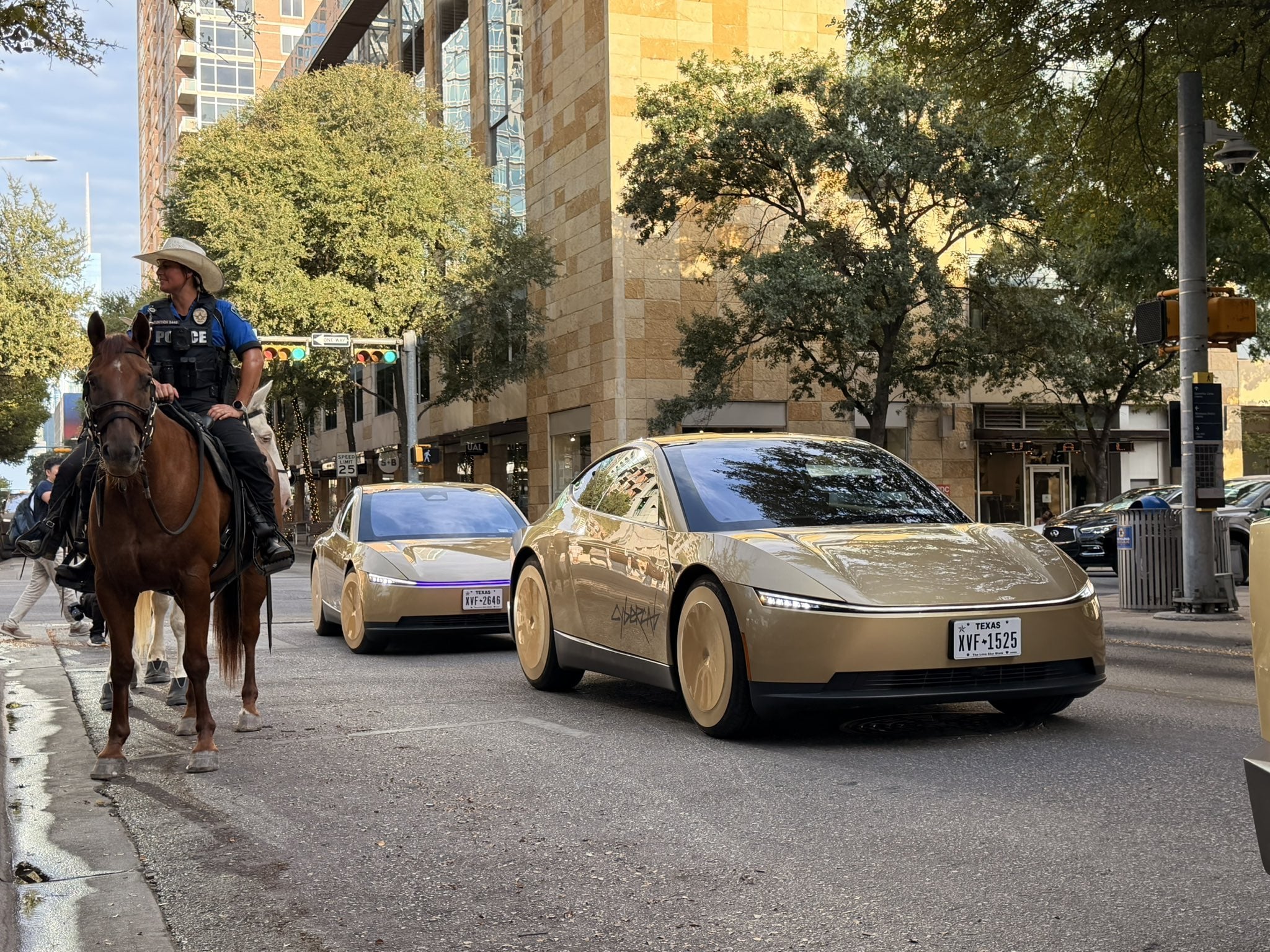
Two-Seat Format
Well suited to the large number of urban journeys involving one or two passengers.
Electric Platform
Designed around efficient electric operation.
Purpose-Built Autonomy
Designed for autonomous passenger operation rather than conventional driver controls.
High Utilisation Potential
Autonomous fleets could operate across extended hours according to passenger demand.
Two-seat autonomous vehicles will not suit every passenger journey. Families, larger groups, passengers with specific accessibility requirements and other journey types will require different vehicle formats. Autonomous Mobility UK therefore intends to remain vehicle and technology neutral as the market develops.
The objective is not to choose a favourite vehicle. It is to identify the safest and most commercially effective autonomous platform for each deployment.
Want to learn more?
Explore how autonomous mobility could work in your area, or discuss partnership opportunities.